Germany’s energy grid infrastructure is among the most reliable in the world, despite the intermittency of renewables. It’s Europe’s largest electricity market with an annual power generation of around 625 TWh and a capacity of around 200 GW.
The country is also the global leader in energy storage technology for renewable energy systems, with a massive growth in recent years.
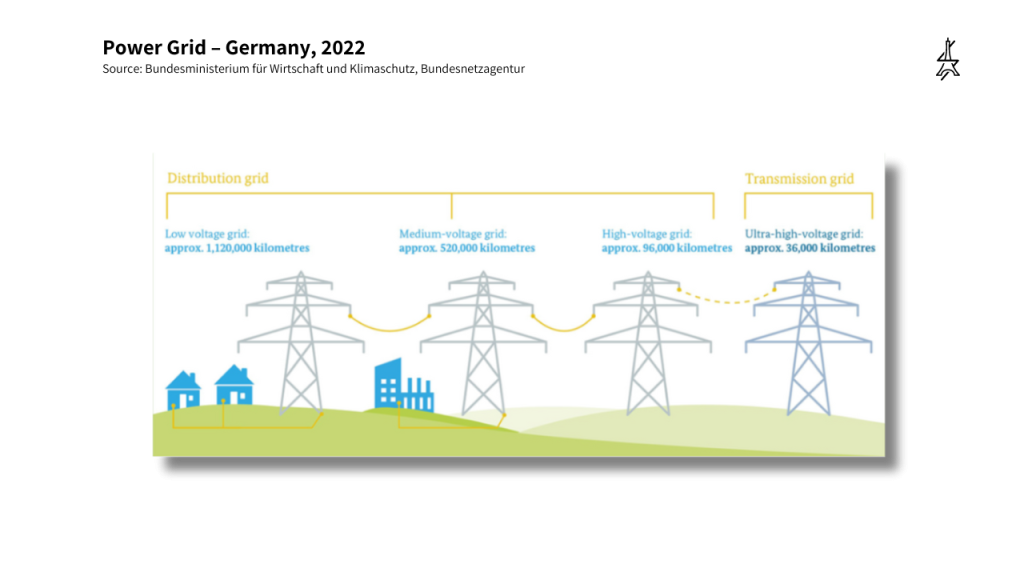
Germany can boast a large distribution grid of 1,7 Mkm, with only 0,4% laid below ground. However, the changes in the power generation structure lead to new challenges: The German power supplier E.ON announced in 2022 that 34 Bi€ are needed to expand and upgrade the country’s network by 2030.
The German grid is highly reliable but needs to adjust to a growing share of renewables.
The French grid is also recognised for its reliability, with nuclear power ensuring a substantial level of energy independence and a very low level of carbon dioxide emissions per capita from power generation.
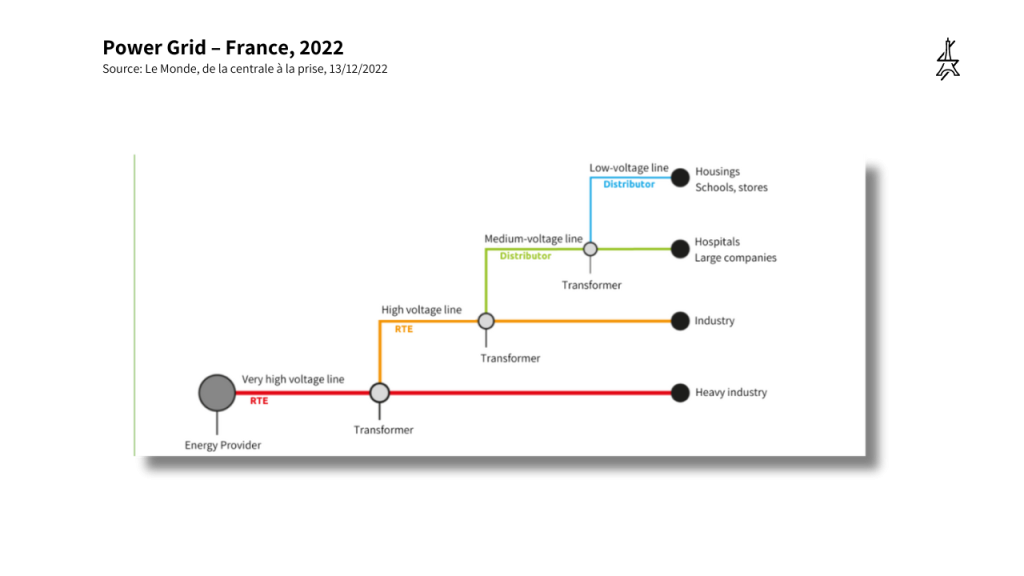
The 1,3 Mkm of high and extra high voltage lines are interconnected to all its neighbour countries, including the UK through a link in the Channel Tunnel.
This highly integrated infrastructure allows for imports and exports to meet demand peaks.
The French grid is stable but needs investments in energy efficiency and renewables.
Both countries face similar challenges regarding renewable integration: More solar and wind systems must be connected to the main grid, while charging infrastructure for e-mobility, as well as heat pumps and electricity storage systems need to be expanded.
Other common challenges include keeping the grid stable during demand peaks or over-production from renewable plants, as well as organising the interaction between transmission and distribution grids.
#ChooseFrance
#FrenchTouch
#greentech
#funding
We can help you manage your collaboration with German companies, taking into account not only language differences but also cultural and socio-political criteria. Check out our options here.